

-
Exploring Game Variety and Stakes at Live Casino Poker
Game Variety and Stakes at live casino poker Tables
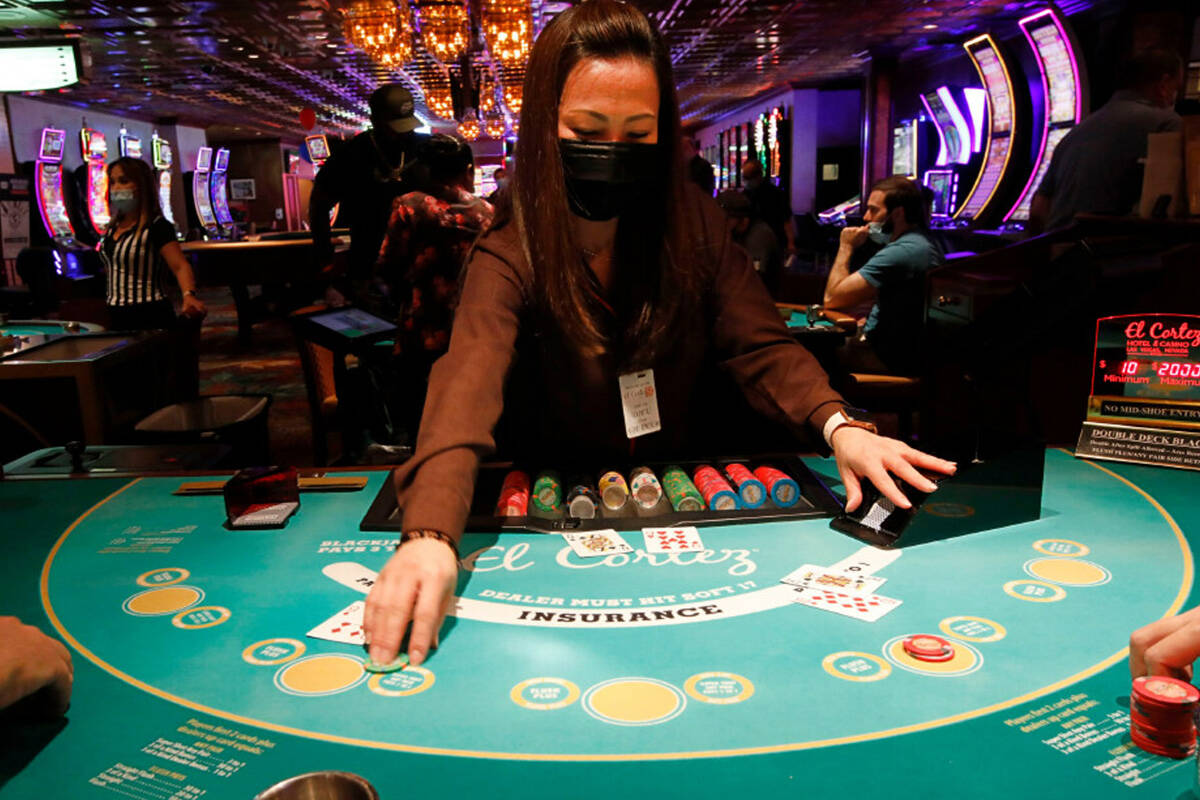
Considering a session at an interactive poker table? It’s crucial to assess your options and potential risks involved. The assortment of tables available caters to varying skill levels and bankrolls. From casual setups with low buy-ins to high-stakes tables attracting seasoned players, there’s something for everyone. A solid grasp of different formats will enhance your experience.
Different tables offer unique rules and variations that can influence your strategy. For instance, Texas Hold’em is a favorite among many, while Omaha provides its own distinct challenges. Familiarize yourself with these variations to adapt your approach effectively. Make use of resources that provide insights into live casino poker strategies and player tendencies.
Understanding the risks associated with your chosen stakes is equally vital. High-stakes tables can result in significant losses, but they also present opportunities for substantial wins. Assess your risk tolerance carefully, as this will guide your decisions and help you maintain a balanced approach throughout your gameplay.
Comparison of Game Formats: Texas Hold’em vs. Omaha
Choose Texas Hold’em if you prefer a faster-paced environment with fewer starting hands. This variant allows players two hole cards, fostering a simpler decision-making process and a swift progression of rounds. The straightforward nature suits both casual participants and those seeking quick excitement, ideal for quick sessions.
Omaha presents a different dynamic by providing four hole cards, demanding more complex strategies and decision-making. The requirement to use two cards from your hand and three from the board expands the potential combinations, resulting in larger pots and varied play styles. Players who enjoy intricate tactics and a deeper strategic approach will find Omaha more appealing.
A vital distinction lies in the pot odds and hand values. In Texas Hold’em, top combinations like high pairs may dominate. Conversely, Omaha’s multi-card structure often elevates the significance of low hands and draws. Understanding these nuances allows for more effective gameplay and improved profitability, especially in cash games.
In terms of popularity, Texas Hold’em typically leads in player numbers and tournament entries. Its familiarity makes it a go-to for many enthusiasts. However, Omaha’s growth is substantial, often seen in high-stakes tournaments where advanced skills are paramount. Regulars in the Omaha scene often report higher earnings due to the skill disparity among participants.
Ultimately, personal preference should guide your choice between these formats. If quick action and straightforward play appeal to you, Texas Hold’em is likely a better fit. Conversely, if you seek depth and complexity in your sessions, Omaha will provide the challenge you crave. Evaluate what you enjoy most in your playing experience to make an informed decision.
FAQ:
What types of poker games are typically offered at live casinos?
Live casinos usually provide a variety of poker games to cater to different player preferences. Common options include Texas Hold’em, Omaha, Seven Card Stud, and Caribbean Stud. Each game features its own set of rules and strategies, allowing players to choose based on their skill level and enjoyment preference. The availability of these games can vary by casino, and some establishments may also offer unique variations or themed poker events to enhance the experience.
How do the stakes differ between casual and high-stakes poker games?
The stakes in poker can range widely, reflecting the level of investment players are willing to make. Casual games often have lower buy-ins, making them accessible to recreational players, while high-stakes games attract serious players looking for substantial winnings. For instance, in casual settings, players might encounter buy-ins between $1 to $10, whereas high-stakes tables can have buy-ins ranging from hundreds to thousands of dollars. This difference influences not only the type of players but also the strategies employed during gameplay.
What factors should players consider when choosing a live casino for poker?
Players should evaluate several factors when selecting a live casino for poker. Key considerations include the variety of games offered, the quality of the dealers, the ambiance of the casino, and the structure of blinds and payouts. Additionally, players might want to look into the casino’s reputation, customer service, and whether tournaments are held regularly. These elements can significantly influence the overall experience, making it more enjoyable and tailored to an individual’s preferences.
Are there strategies specific to playing poker at live casinos compared to online play?
Yes, strategies for live poker can differ from those used in online formats. In live casinos, players must rely more on their ability to read opponents and observe physical tells, such as body language and facial expressions. This human element adds an additional layer to gameplay, as timing and the psychological aspects of bluffing become crucial. In contrast, online poker often emphasizes mathematical strategies and quick decision-making due to the absence of physical cues and the faster pace of play. Adapting to these differences can enhance a player’s chances of success in either environment.
Reviews
William Davis
Exploring the variety and stakes in live casino poker reveals a thrilling landscape. Each game presents unique rules and strategies, inviting players to engage in a captivating blend of risk and skill. The atmosphere is charged, with real dealers and fellow players bringing a palpable energy that online counterparts can’t replicate. Higher stakes sharpen the competitive edge, while the casual tables offer a more relaxed vibe for those looking to enjoy the experience. It’s a dynamic environment, catering to both the high-roller and the curious novice, creating an intriguing space for everyone involved.
Joseph
As I explore the captivating world of poker at live casinos, I can’t help but chuckle at my own naïveté. Here I am, clad in my best poker face, blissfully unaware that my skills resemble a toddler’s first attempt at painting. The variety of games is intoxicating, yet I often find myself lost in the excitement, misplacing my stack like a lovesick fool at a first date. The stakes? Oh, they’re higher than my hopes of finding true love on a Saturday night. It’s amusing how I sit at the table, poker chips clutched like fragile dreams, only to be reminded that luck and strategy can be as elusive as a soulmate in a crowded room. Still, there’s a strange beauty in the ebb and flow of each game; it’s a reminder that sometimes, losing a hand can lead to a deeper connection — with the game and perhaps, even with myself.
Ava Wilson
So, live casino poker, huh? It’s like a cocktail party where you have to drink the right combinations to win. You sit there all poised with your chips, looking like a high-stakes diva, while secretly calculating how many more hands you can take before your bank account starts to look like a tragic dating profile – “In a relationship… with my overdraft.” The variety in games is like a buffet that promises gourmet dishes but serves you cold pizza at 2 AM. You’ve got Texas Hold’em strutting around like it owns the place, while Omaha is in the corner, trying to convince everyone it’s just as popular—sorry, buddy, but holding four cards doesn’t make you special! And the stakes? Let’s just say they range from “I might order takeout” to “I just sold my grandmother’s jewelry.” It’s nothing like playing poker with friends where the only thing at stake is who has to make the next round of awkward small talk. At a live casino, you’re sweating bullets, praying the dealer doesn’t notice your shaky hands and that you didn’t just flash your entire soul with that last bluff. So, what’s the takeaway? Poker nights at home need to happen more often, or I’m getting a new identity with a different bank account!